Get in touch
2 (14)

Why spreadsheet-based fund data management costs more than a dedicated platform

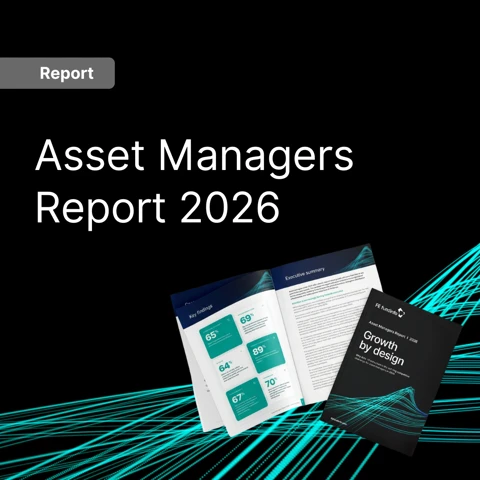
65% of investment managers say fragmented fund data is preventing their organisation from improving operational efficiency. That finding comes from FE fundinfo's Asset Managers Report 2026, which surveyed 200 senior leaders across the UK, Switzerland and Luxembourg. Behind the statistic sits a familiar culprit: the spreadsheet. 

Spreadsheets feel free. They are already on every desktop, everyone knows how to use them, and they never appear as a line in the technology budget. That’s why the true cost of running fund, share-class and registration data through them is easy to miss. The costs are real, but they surface elsewhere: in the hours spent rekeying data, in errors that reach a regulatory filing, in a fund launch delayed while data gets fixed.

How fund data ends up in spreadsheets 

Nobody designs a spreadsheet-based data estate on purpose. It accumulates. A product team builds a workbook to track a fund launch. Operations copies it and adds columns for their own reporting. Legal keeps a separate version for registrations. Marketing extracts what it needs for factsheets. 

It might have made sense at the time. But fund data describes products that change constantly: new share-classes, fee amendments, registration updates, benchmark changes. Once the same facts live in four places, keeping them aligned becomes a job in itself, and usually an invisible one. 

The visible cost: slow processes and duplicated effort 

These costs hit your team every week. People rekey the same data into different systems and chase updates over email. Month-end reporting starts with reconciliation, not analysis, because nobody trusts any single version. 

The research suggests this drag is widespread and growing. Alongside the 65% who say fragmentation limits efficiency, 62% of respondents agree that the operational complexity of newer products such as ETFs and private markets is increasing costs. More products and more markets multiply the number of spreadsheets, and the reconciliation work grows with them. 

Then there's a cost that never gets its own line: headcount. Many firms effectively pay a full-time salary for someone to key, check and re-check fund data. That is a person doing work that validation rules could do at the point of entry, without the risk of a bad day. 

The invisible cost: errors that travel 

Spreadsheet errors rarely stay in the spreadsheet. A wrong fee figure or a stale registration status flows quietly downstream into client materials, distributor platforms and regulatory filings. By the time anyone notices, the error has been published, distributed or filed. 

The consequences increase with the destination. An error in an internal report costs a correction. An error in a KID or a regulatory filing can cost remediation work, regulatory attention and client trust. Because spreadsheets keep no audit trail, working out what changed, who changed it and when becomes an investigation rather than a simple lookup. 

Key-person risk compounds all of this. When the logic of a critical workbook lives in one colleague's head, every absence, resignation or restructure puts your product data at risk. 

How to tell if spreadsheets are costing you 

None of these costs appear on a dashboard, which is why they persist. But there are reliable symptoms. If several of the following sound familiar, fragmentation is already taxing your firm. 

  • The same fund fact, such as an ISIN, fee rate or benchmark, is maintained in more than one place. 

  • Month-end or board reporting begins with reconciling versions rather than analysing numbers. 

  • You have discovered an error in a published document or filing that traced back to a stale spreadsheet. 

  • Only one or two people understand how a critical workbook actually works. 

  • New starters take weeks to learn where the trusted version of anything lives. 

  • A fund launch has been delayed, or a registration held up, while data was chased and corrected. 

Each symptom on its own looks like a process niggle. Together they describe a data estate that consumes effort to stand still, and that risk multiplies with every new product, share class and market you add. 

The commercial cost: distribution and growth 

For years, poor fund data was treated as a back-office problem. The research shows that the commercial impact is much greater. 69% of investment managers say the speed and accuracy of fund data are becoming increasingly important differentiators when winning and retaining distribution partners. 

Distribution partners see the output of your data processes directly. Slow updates, inconsistent share class details and registration gaps all shape how easy your products are to onboard and keep on platform. Fragmented data can now cost you relationships, and the flows that come with them. 

That matters because growth is where the pressure sits. Delivering asset growth and net inflows ranks as the joint top business challenge for the next three years, level with regulatory change and compliance, at 31% each. A data estate that slows launches and leaks errors works directly against both. 

What a single source of fund data changes 

The alternative is a single governed source of truth for fund, share class and registration data. One place where data is entered once, validated at the point of entry, approved through a proper workflow and recorded with a full audit trail. Every team and every downstream system then works from the same approved version. 

In practice, this looks like: errors caught before they spread rather than after they publish, month-end reporting that starts from trusted numbers, evidence for auditors available in minutes, and fund launches that populate a proven data structure instead of starting from a blank workbook. 

If you are evaluating a fix, four capabilities separate a genuine golden source from a prettier spreadsheet. Look for a pre-built data model aligned to the openfunds industry standard, so you inherit a structure the market already understands. Look for validation applied at the point of entry rather than at review. Look for an approval workflow with a complete audit trail. And look for custom attributes, so your internal codes and classifications live alongside the standard fields rather than in a side spreadsheet that quietly recreates the original problem. 

This no longer requires a lengthy implementation project. Product Mastering Core, FE fundinfo's off-the-shelf data mastering platform and part of Nexus for Investment Managers, is now available. It comes with the openfunds-aligned data model pre-built, so smaller and mid-sized firms can move off spreadsheets in days rather than quarters, and land on one golden source of truth for fund, share class and registration data. 

The full research behind the statistics in this article is available in the Asset Managers Report 2026, a useful benchmark for how your peers are thinking about data, distribution and growth. When you are ready to move off spreadsheets, book a demo to see Product Mastering Core live for your fund data. 

FAQs

Frequently asked questions

Spreadsheets keep no audit trail, apply no validation and rely on manual copying between teams. Versions conflict, changes go unrecorded and errors flow into client materials and regulatory filings. 65% of investment managers say fragmented fund data is preventing operational efficiency.

The costs include duplicated effort and reconciliation time, headcount spent rekeying data, errors reaching filings and distributor platforms, and slower fund launches. Research also links fund data quality to winning and retaining distribution partners, making it a commercial cost as well as an operational one.

A golden source is a single governed repository for fund, share class and registration data. Data is entered once, validated at the point of entry and approved through a workflow, so every team and downstream system works from the same accurate version.

Distribution partners rely on the accuracy and timeliness of the fund data managers supply. 69% of investment managers say the speed and accuracy of fund data are becoming increasingly important differentiators when winning and retaining distribution partners.

Yes, and it is now practical for them. Off-the-shelf platforms with a pre-built, openfunds-aligned data model remove the implementation project that historically priced smaller firms out, so a governed source of truth can be live in days.